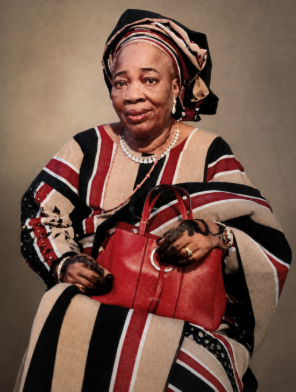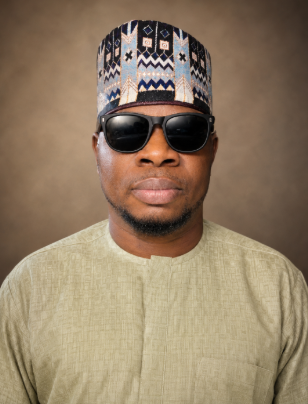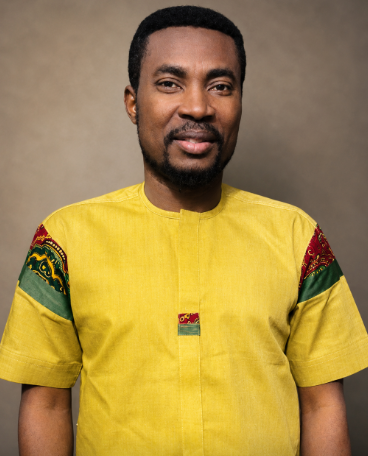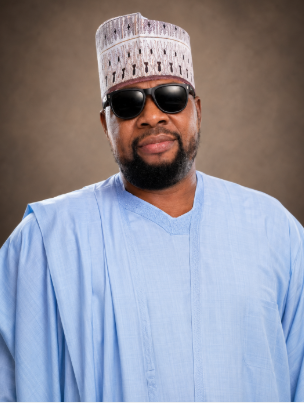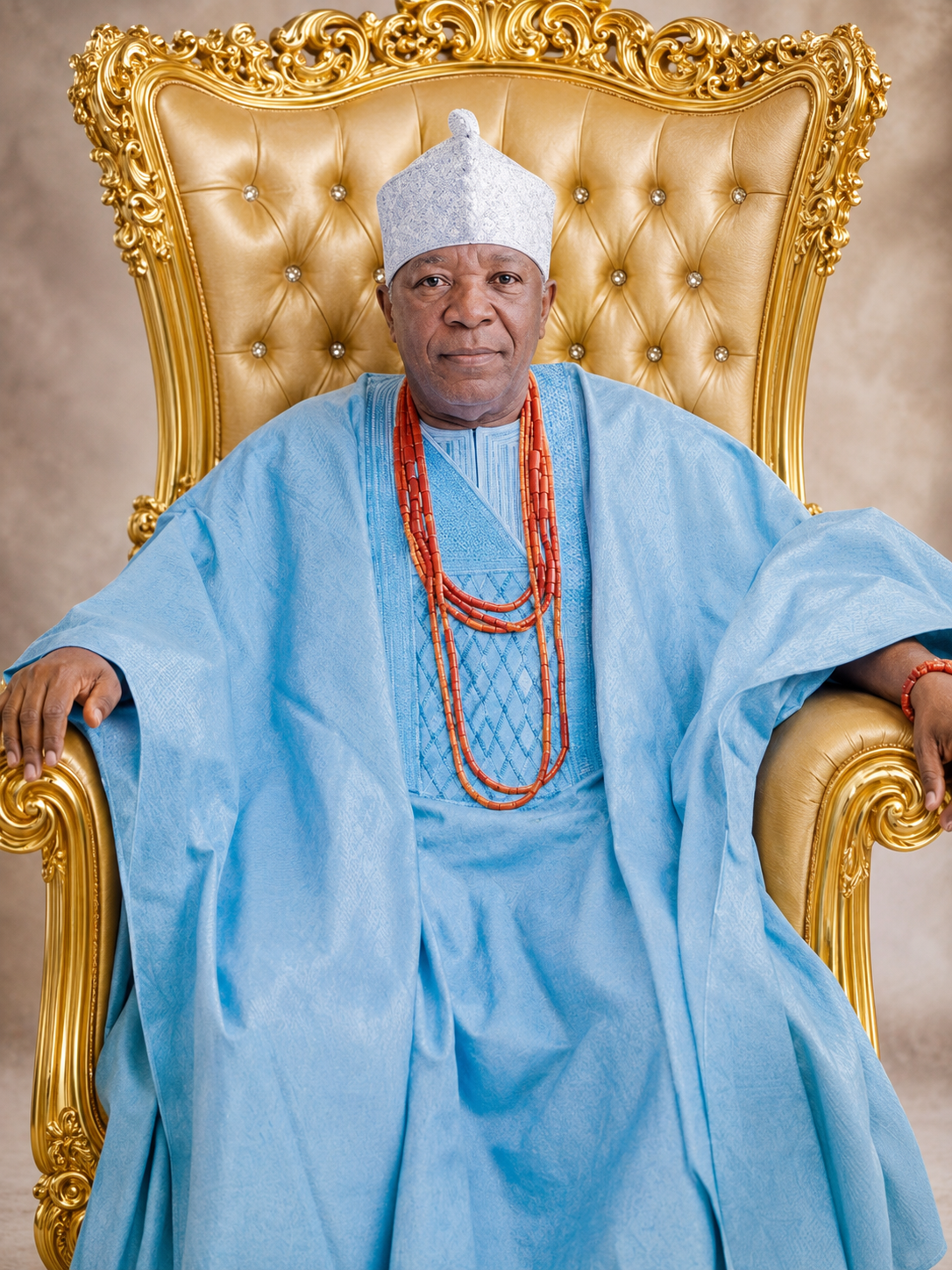
Olusegun Salau's life began under extraordinary circumstances. He was born on August 1, 1953, in Ijebu-Igbo, Ogun State, to Mr. Salau Olabosipo Ketiku and Mrs. Sikirat Anike Agbereoju at a time when his community was gripped by a fierce and dangerous conflict between the Ijebus and the Ibadan warriors.
The war cast a shadow of fear over every household. To avoid detection by hostile warriors, families took desperate measures to silence their infants. Just two days after his birth, Olusegun's parents made a bold and painful decision to protect him away from danger: they placed their newborn son in a basket and concealed him in a far distant bush, where he remained hidden for several days until calm returned. When peace returned and hope began to flicker again, tragedy struck in a way no one could have imagined. A heavily loaded boat, navigating the Osun Apoje River, the only access route into Ijebu-Igbo at the time, capsized and claimed many lives in a single, cruel moment. Amid the chaos and loss, only two souls survived: the infant Olusegun and his mother.
Just six months after escaping death on big river, he was confronted with a deeper, greater loss: the death of his mother. The onus of nursing infant Segun fell on Modinat Anike, his mother's younger sister. What began as an act of duty soon became a lifelong expression of love. There is a quiet irony in her story, she had no child of her own, yet she gave everything to a child many believed might not survive. Even his biological father once doubted his chances.
In his primary school the boy who once lay hidden in a basket had become a figure of quiet admiration within his community. Those around him began to call him Arobieke; a name which meant one who moves with majesty. It was a name earned not by title, but by bearing; not by inheritance, but by spirit.
Olusegun Salau's journey through education was not handed to him; it was fought for. Enrolled at St. John's Catholic Primary School, Oke-Sopen, Ijebu-Igbo in 1959, his path was quickly tested by a father who saw little value in formal education. To him, apprenticeship was the way; education was a luxury. Yet, young Segun chose a different road. He endured hardship in silence, refusing to complain at home, knowing any excuse could end his Education. He later completed his primary education at St. Mark's Anglican Primary School, Odorasonyin in 1965 when his father relocated to the new area.
With no support for further education after his Primary School, he enrolled at Olaitan Automobile Workshop in Ijebu-Igbo where he spent two solid years learning the craft of motor mechanics, later moved to Ijebu-Ode to deepen his experience. While working, he enrolled in a three-year part-time programme at the Trade Centre in Ijebu-Ode where he obtained Trade Test Certificate.
Destiny found him in the most unlikely way when his uncle, Alhaji K.O. Subair, impressed by his diligence, took him to Lagos. His honesty, and professionalism caught the attention of an Irish employer at Antonia Hazaf Group.
He was so blessed that at age of 18, he built his first house. In 1974, he joined the Ministry of Foreign Affairs as a Grade Level 4 officer. His excellence stood out which made colleagues schemed against him but later turned in his favor. He was posted abroad to Warsaw, Poland, covering several Eastern European countries to become the youngest Nigerian officer to achieve such in 1976. In gratitude, he named his first son Sanusi after the Permanent Secretary Musa Sanusi who believed in him and took him like a son. By 1979, he returned home and resigned from the Ministry of Foreign Affairs to build his own automobile business.
In 1990, he moved to Abuja, starting afresh in Kado. His workshop became more than a place of work; it became a place of impact. The Gbagyi people embraced him, drawn to his kindness and generosity. Even in moments of national uncertainty, including the turbulence surrounding June 12, he stood firm, supporting the Yoruba community and advocating unity.
When he was approached in 1995 by the Yoruba Community to become the Oba Yoruba of Kado, he hesitated. Leadership had cost him before when he was Chairman of Lagos State Automobile Mechanics Association for 9 years. Encouraged by his wife Queen Basirat Korede who reminded him of a prophecy in 1982 but long dismissed as impossible because he is not from a royal family. His coronation in 1996 was historic, marking the rise of a king not born into royalty, but destined.
As Oba, he became a unifier. He brought together Yoruba Obas and Chiefs under one council, giving them a collective voice in Abuja. He ensured his people were not left behind, registering, and strengthening the Yoruba Community Abuja, where he served as pioneer Chairman of the Board of Trustees. in appreciation of his selfless leadership the Chairman of the FCT Council of Traditional Rulers HRM Alhaji Dr. Adamu Baba Yunusa CON the Ona of Abaji turbaned Olusegun Salau as the Oba Yoruba of Abuja on 2nd July, 2001. His influence extended into security matters in the FCT, where he represented his people with dignity and wisdom. He also gave cultural pride a new face, organizing grand Yoruba Day celebrations that honored notable Nigerians across different fields.
Oba Dr. Olusegun Salau will be remembered not for titles, but for impact of building bridges where there were divides, for leading without prejudice, and for carrying his people along without leaving anyone behind. And perhaps the most touching truth of all is this: a man who never knew his mother's face became a father to many, a leader to millions, and a symbol of unity to a people far beyond his origin. Oba Olusegun was born 1st August 1953, and Died January 2026 - Aged 72 years.